![]() |
|
|
#1 (permalink)
|
|
|
Some people asked me to post this info, so here goes:
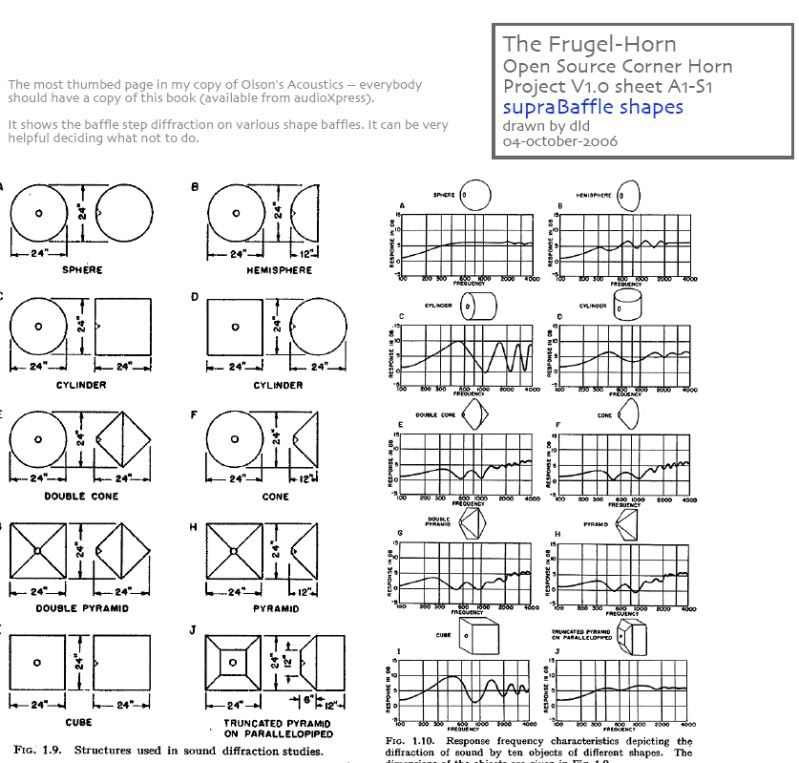
How to improve your soundstage for two bucks. If you've ever listened to a set of audiophile mini-monitors, you may have noticed that they throw a really amazing soundstage. The reason that they do this is that the enclosure is very small. But we can replicate this effect with a much larger enclosure by reducing diffraction. Here's how this works: When the sound from your speaker hits *anything*, it creates a reflection. These reflections are perceived by your ears as a secondary sound source. So for instance, if you take a set of mini monitors and place them six inches away from a wall, the reflection off that wall will muddy the image. That's why speakers sound better when you pull them away from a wall. What's interesting about this phenomenon is that it's VERY time dependent. A reflection that occurs an inch or two from your speaker is 10x worse than a reflection which occurs a foot away. Having established that reflections are a BAD thing, how do we address that? Here's a few options:
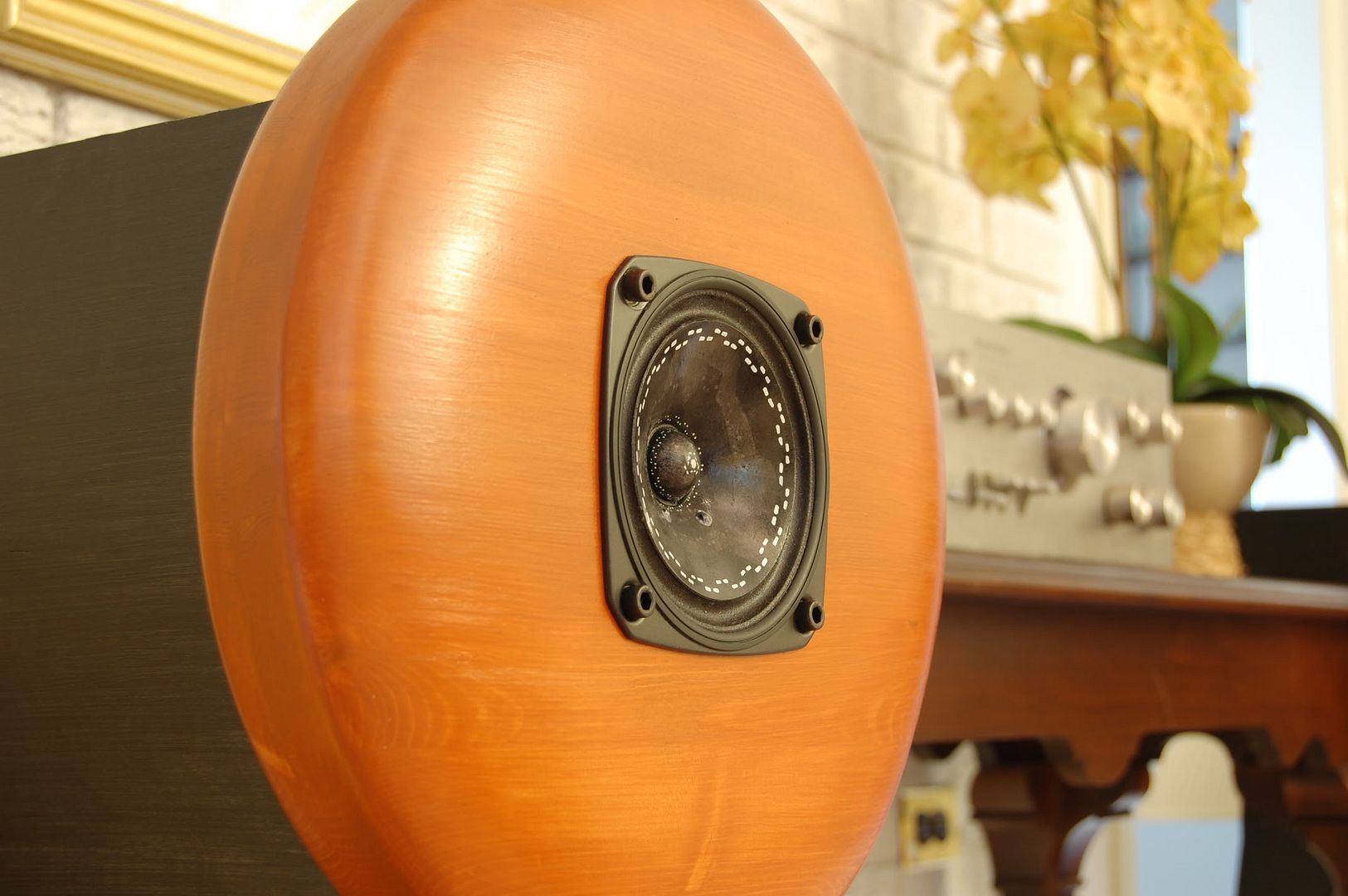
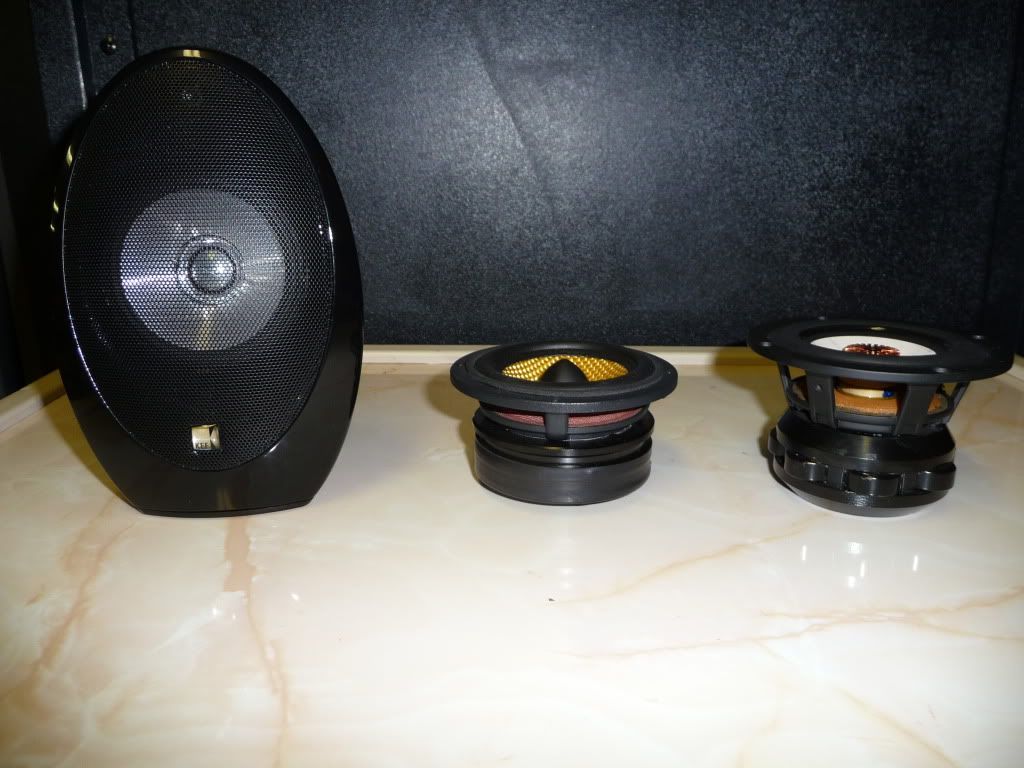
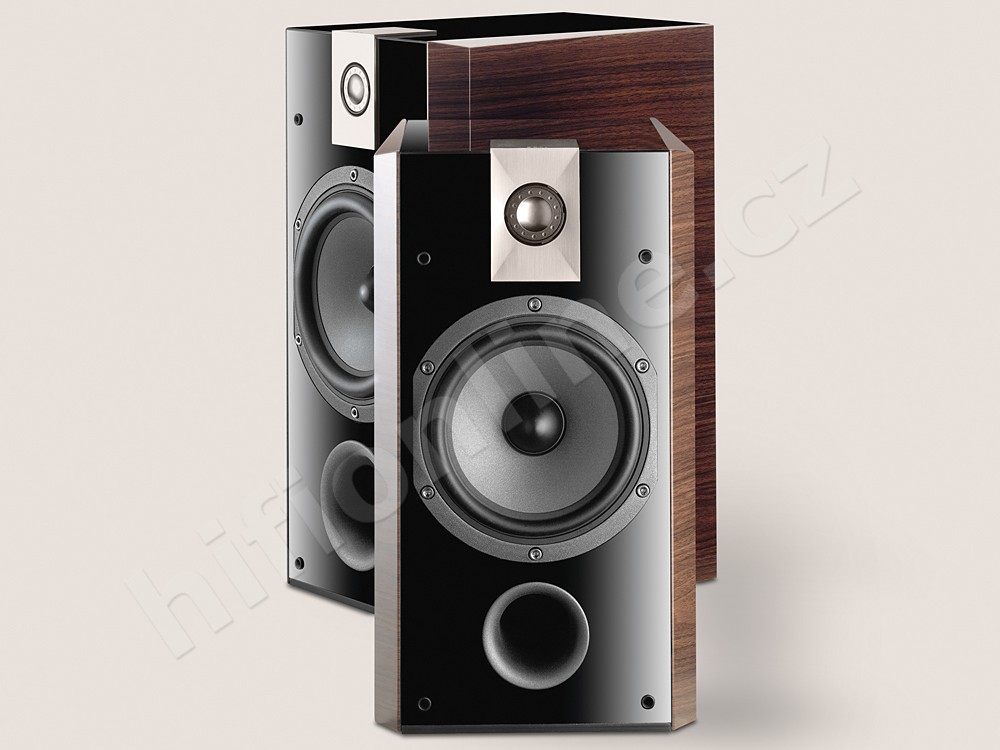
With sound diffusion, we're basically taking that reflection, and spreading it waaaaaaaay out in frequency in time. So instead of a big ol' nasty reflection at one spot and one frequency, we're spreading it out over an octave or two, over a few milliseconds. Here's a couple pics of some speakers which use diffusion to improve their soundstaging abilities. ![]() ![]() Subjectively, the speaker becomes more difficult to localize when it's in a spherical enclosure. The soundstage becomes more diffuse, and seems to float "around" the speakers instead of being tied to them. The sound is also sweeter and less fatiguing. And this is only common sense of course. Imagine a sound wave striking a sharp edge, diffracting violently: ![]() Now imagine the same sound wave in a spherical enclosure. The energy is the same, but the sound is diffused gently across the smooth surface. The improvement in the polar response is measurable, and the subjective improvement is obvious. In part two I'll describe how to do it... |
|
|
|
|
|
#2 (permalink) |
|
|
In part one I described why reflections are a BAD thing, some options for controlling them, and how this will improve your soundstage.
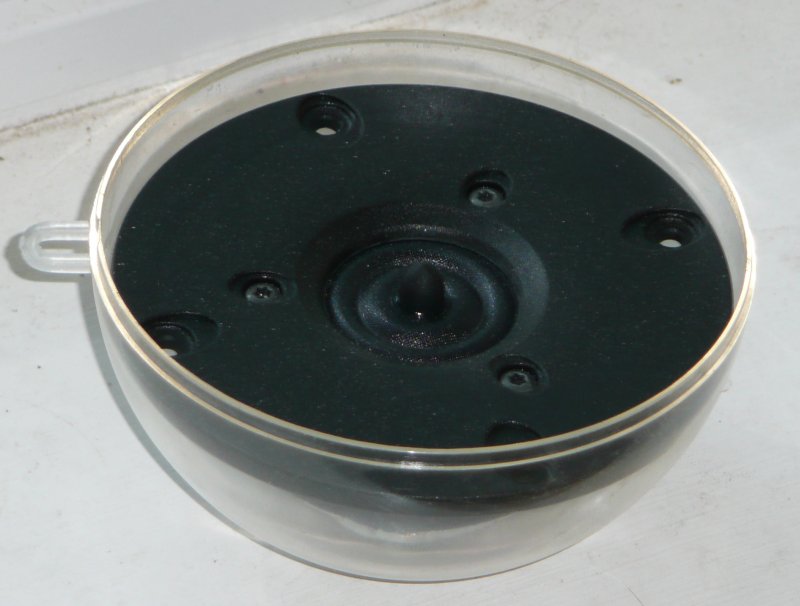
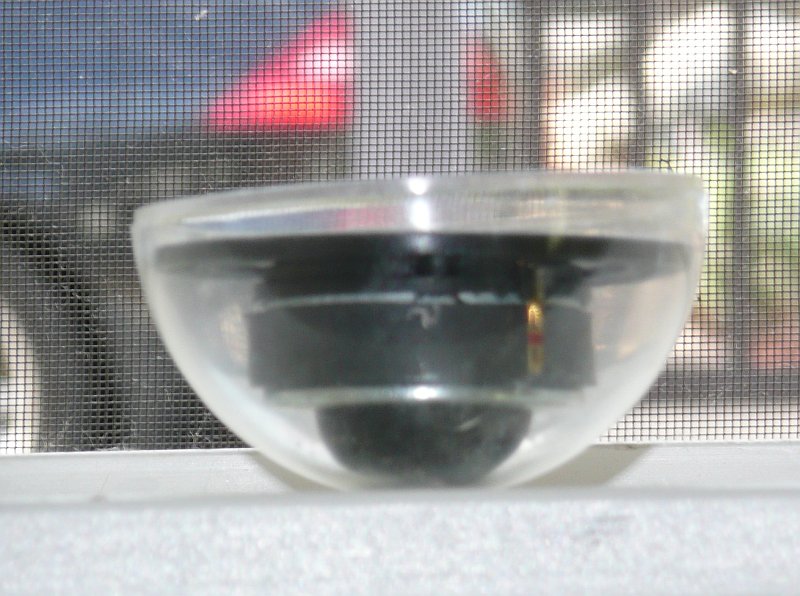
Now the practical part, how to build it. Let's say we wanted to diffuse sound down to 100hz. The speed of sound is 13500in/second. So to diffuse sound down to 100hz, we'd need a spherical enclosure that's 42.98" in diameter. Here's the equation: required sphere radius = 13500 / lowest frequency / 2 / pi required sphere radius = 13500 / 100 / 2 / 3.14159 Hmmm that's not gonna work is it? ![]() Psychoacoustic studies have shown that matching frequency response above 1khz is more important than *below* 1khz. Based on that we could reduce our sphere from almost four feet to a little over four inches. At that size, it starts to get practical to do this in the car. My local craft store sells some clear plastic spheres, I have no idea what they're for, but they work for spherical enclosures. They're 8cm in diameter and they're less than a buck. An 8cm sphere will control diffraction down to 1365hz. Here's a picture of a vifa ring radiator in one of these 99 cent spheres: ![]() ![]() So there's the math above, and they're readily available at craft stores. In the pic I'm using half a sphere. You'd want to take the entire sphere and cut it down to a point where it blends seamlessing with the diaphragm. The way that B&W does it is just about ideal: ![]() The teardrop shape is better than a sphere; it flattens out the frequency response and reduces diffraction. My local craft store has egg shapes, but they're not big enough for this application. YMMV |
|
|
|
|
|
#3 (permalink) |
|
|
I found a better pic of what diffraction looks like: ![]() click on the link to watch the animated version: http://www.silcom.com/~aludwig/images/diffdem.gif Note how the sound diffracts off the tweeters edge and off the baffles edge. That's why tweeters are carefully recessed. If you look at the math above, you can see that it's practical to reduce diffraction from a tweeter down to 1365hz for a buck. Better yet, put that spehere about six inches away from the dash and the windshield, and you'll eliminate or reduce ALL reflections down to 470hz. If you take it that far, your tweeters will literally disappear. No amount of electronic manipulation or DSP can do this. There isn't a magic amplifier that can do this. Replacing your head unit won't do this. But a 99 cent plastic sphere can. |
|
|
|
|
|
#4 (permalink) |
|
|
Here's some articles on diffraction from guys that are a lot smarter than me: Diffraction from baffle edges Baffle Step Compensation I post a lot of measurements of my car online. The first thing that people notice is that the response isn't particularly flat. That's because they're accustomed to response graphs from manufacturers, who measure speakers on a big ol' flat baffle. To give you an idea of why that's misleading, here's what happens to a speaker when you put it in a box: ![]() and in a sphere: ![]() |
|
|
|
|
|
#6 (permalink) |
|
|
And I saved the best for last.
Have you ever noticed that your speakers sound good at moderate levels, but grow fatiguing at high volumes? You crank them up for a minute or three, but quickly you want to reduce the volume. This is particularly common with people using horn loaded compression drivers in the car. They sound great for a few minutes, but grow fatiguing quickly. According to research by Earl Geddes, the perception of diffraction is level dependent. That's one of the reasons you're speakers sound fatiguing at high levels. You could use the most expensive speakers from Dynaudio or Focal, with vanishingly low distortion, along with the most expensive electronics. But if you ignore the diffraction issue, they'll still be fatiguing. Here's the quote: "The paper that Lidia and I just did on the perception of very small time delayed signals, such as would occur for diffraction in a waveguide or off a cabinet edge, is also enlightening for its proof that these effects are strongly dependent on the playback sound pressure level. The ear appears to mask these effects at low levels, while they rapidly become perceptible at higher SPLs. This basically puts much of the previous work on the perception of diffraction and very early reflections into a questionable light since playback level was seldom a controlled or control variable." http://www.audioxpress.com/magsdirx/.../mowry1008.pdf |
|
|
|
|
|
#7 (permalink) |
|
|
Very interesting. I will keep this in mind when i build my home theater speakers. I may even rebuild my tweeter pods in my car.
|
|
|
|
|
|
|
|
|
#8 (permalink) |
|
|
Very good info. Thanks Pat!
|
|
01 Nissan Altima | Pioneer DEH-880PRS | Zuki Eleet 4CH |Alpine PDX 1.1000| TBI HDSS tweeters | Hybrids Audio L6 mids | SI Mag V4
|
|
|
|
|
|
|
#9 (permalink) | |
|
|
Quote:
Thanks! I've been doing horns and waveguides for almost two decades now, and the improvement that I've seen from adressing diffraction (almost) has me considering "conventional" components again. The improvement in soundstaging is just ridiculous. I first noticed it with the Anthony Gallo speakers a few years back at CES. They use ridiculously cheap drivers, and they're basically a glorifed Bose system, yet they sound a million times better than they should. Considering the junky components you'd think they'd sound like crap, but they sounded better than speakers that cost ten times as much. Really made me think about how they sound so good. ![]() |
|
|
|
|
|
|
#10 (permalink) |
|
|
I've been thinking about sticking my seas neos (which are small format tweeters) in kind of a softball-sized sphere in the kicks to deal with the diffraction issue. As a bonus it would really blend in with the interior theme. I would just need to vinyl up a foam ball.
mini interior either that or put the tweets on the A-pillars like I have been considering... |
|
|
|
|
|
#11 (permalink) |
|
|
Would you not want the tweeters in a sphere that's somewhat larger than the diameter of the faceplate so you have a smooth curved sides round the outside of the faceplate rather than a sharp 90 degree transition at the edge as you would get with a small hemisphere as you show in the photo?
I think one of the other reasons for using a spherical enclosure is to try to reduce standing waves to a minimum. there are some good tools for simulating baffle diffraction on the FRD consortium site IIRC. Another technique that helps reduce baffle diffraction is to surround the drivers with fairly thick felt, I remember reading some studies on it although it didn't always look that neat in the examples. You can buy fairly large polystyrene eggs and spheres, maybe it would be possible to use one as a template for a fibreglass enclosure and then dissolve out the polystyrene. <<edit http://www.speakerdesign.net/felt_am...ltssenter.html stuff about using felt>> |
|
Last edited by Quickshift; 09-02-2009 at 01:17 PM.. |
|
|
|
|
|
|
#12 (permalink) |
|
DIYMA Enthusiast
Join Date: Nov 2007
Location: From the Mitten to the Prairie
Posts: 1,503
iTrader: (8) |
I noticed this with a friend's car. He had a bunch of Apple iMac sphere speakers like are shown in the link below, and we were basically trying to use them as car speakers.
Shown here: iMac G4 Sphere Speakers I was immediately surprised by how good they sounded for the size and how they seemed to be constructed. One might even be able to remove the original tweeter inside and mount something else in it. I would be interested to see an RTA plot on one of those. edit: better pics here: http://www.cubeowner.com/forums/inde...howtopic=13516 |
|
Last edited by 94VG30DE; 09-02-2009 at 01:07 PM.. Reason: better image |
|
|
|
|
|
|
#13 (permalink) | |
|
|
Quote:
They come in 5,8,and 11 inch diameters. IKEA | Serve | Serving dishes & bowls | BLANDA MATT | Serving bowl |
|
|
|
|
|
|
#14 (permalink) |
|
|
is this principle the main reason why subwoofers are hard to localize?
|
|
W200 / SR6500 / RS180 / FOCAL38KX
|
|
|
|
|
|
|
#15 (permalink) | |
|
|
Quote:
|
|
|
|
||
|
|
|
|
|
#16 (permalink) |
|
|
Subscribed.. FINALLY.. The idea of sphericals anywhere near the letters DIY.
I've been contemplating ideas on enclosure construction for a better-than driver in something that hopefully ends up about the same size and shape as an Orb or a Gallo. I was thinking layered sandwiched MDF maybe, or some craft material, etc.. A couple small bowls molded together with a baffle attached/cut-out, etc. But keeping in mind the important thing of smooth and angled all the way to the edge of the driver. Hoping for some good DIY's of sphericals with some good wide-banders. Aura's, tangs, etc. |
|
Last edited by Babs; 09-02-2009 at 03:17 PM.. |
|
|
|
|
|
|
#17 (permalink) | |
|
|
Quote:
A roundover operates down to 1/4 wavelength of the roundover's radius. That's another thing too; it doesn't *have* to be a sphere. Anything that's done to reduce diffraction will yield an audible and measurable improvement. You could look at this as a series of stages, and each stage is cumulative. IE, do some of them, or all of them for full effect.
If you look at the profile of the B&W, you can see the woofer's cone itself forms a waveguide. For a tweeter you'd need to build one. Even *without* a waveguide on the tweeter, the enclosures shape reduces diffraction. And reducing diffraction makes the speakers disappear. |
|
|
|
|
|
|
#18 (permalink) | |
|
|
Quote:
The reason that subwoofers are localized is generally due to being too far or too close, and localization via the 2nd and 3rd order harmonic distortion which they produce. |
|
|
|
|
|
|
#19 (permalink) | |
|
|
Quote:
These would be perfect. I used the plastic spheres from the craft shop for my latest project, and split one with my drill. The Ikea bowls would work much better. |
|
|
|
|
|
|
#20 (permalink) |
|
|
very interesting read. If you have a enclosure already built, could you reshape the internal space of the enclosure to be spherical to get the same results?
|
|
|
|
|
|
|
|
|
#21 (permalink) | |
|
|
Quote:
![]() The internal space around the driver (inside of the front baffle, etc) would mainly affect driver ventilation and early reflections but I think the main issue to be resolved here is on the exterior surface. |
|
|
|
|
|
|
#23 (permalink) |
|
DIYMA Loyalist
Join Date: May 2008
Location: DFW Texas
Posts: 3,420
12V Company:
Stereo Clarity Position:
Owner iTrader: (3) |
Patrick, great work applying this to car audio! It's a tough thing to accomplish but I think it's a great idea. I've known about this diffraction idea for a while but I've never thought about applying it to car audio. Ironically, this is probably the BEST place it could be applied since objects that cause reflections are much closer to the drivers.
This idea was why I spent so long doing the baffles on my frugal horns. I initially thought I could cut a circle, do a roundover, and I'd be good to go. Then Dave at Planet 10HiFi explained to me the reason it was so important. That's when I went the extra mile (4 hours) of sanding. As a result, these things image like CRAZY! I've been told that the ideal shape is that of a tear drop much like what B&W has on the tower you posted above. ![]()
|
|
|
|
|
|
#24 (permalink) | |
|
|
Quote:
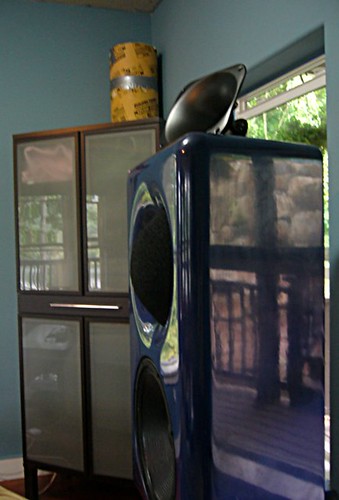
![]() (the horn on top is just to demonstrate the scale) One afternoon I was waiting for some stuff to dry on my current car project, and added a roundover to an old set of HLCDs that I had laying around, and measured them. Took literally fifteen minutes. And then I listened to them, when the measurements were WAY improved, and was startled by the transformation. Never heard them sound so good. It was actually kind of depressing LOL, since the speakers that I applied the roundover on were never competitive with my own DIY designs. But once the roundover was applied, they sounded 10x better. |
|
|
|
|
![]() |
|
| Bookmarks |
| Currently Active Users Viewing This Thread: 1 (0 members and 1 guests) | |
| Thread Tools | Search this Thread |
| Display Modes | |
|
|
|
||||||||